

standing led mirror
Nylon Nets for Hunting Birds An Effective Tool for Avian Enthusiasts Hunting birds has been a pastime valued by many across cultures and generations. While various methods are employed to attract and capture birds, nylon nets have emerged as a popular and efficient option for both sport and conservation purposes. This article delves into the effectiveness, uses, and advantages of nylon nets for bird hunting. Understanding Nylon Nets Nylon nets are lightweight yet incredibly durable, making them an ideal choice for hunters. They are made from synthetic fibers that can withstand the natural elements while remaining flexible enough for various applications. Available in various mesh sizes, they can trap birds of different species without causing serious harm. Such versatility makes nylon nets a preferred tool among bird hunters and wildlife researchers alike. Advantages of Nylon Nets 1. Durability and Resistance Unlike traditional nets made from natural fibers, nylon nets resist rot, mold, and UV damage. This ensures that they maintain their integrity even after prolonged outdoor exposure. Their durability translates to long-term use, making them a cost-effective option for avid bird hunters. 2. Lightweight and Portable Nylon nets are easy to transport, allowing hunters to carry multiple nets without hassle. This portability means that hunters can set up traps in various locations, maximizing their chances of success. The lightweight nature of these nets also makes them easy to deploy and retrieve. 3. Minimized Harm to Birds One of the primary concerns with capturing birds is the potential for injury. Nylon nets, especially those designed with larger mesh sizes, allow for safe trapping without causing harm to the captured birds. This is critical for those involved in conservation efforts, as it ensures that avian populations are sustained and not unduly harmed during hunting activities. nylon nets for hunting bird 4. Camouflage Options Many nylon nets come in colors and designs that blend into natural environments. This feature allows hunters to set up traps without drawing attention, increasing their chances of successfully capturing birds. Effective camouflage can mean the difference between a successful hunt and an empty net. 5. Cost-Effective Compared to other hunting equipment, nylon nets are relatively inexpensive. Their affordability means that both novice and experienced hunters can access this tool without significant financial investment. Even when purchasing multiple nets, the overall cost remains reasonable. Uses in Bird Hunting Nylon nets are widely used in various hunting scenarios. Bird banders, researchers, and wildlife managers often employ them to capture birds for study or conservation missions. By collecting data on bird populations, migrations, and health, these professionals can identify trends impacting avian ecosystems and develop strategies to protect them. In sport hunting, nylon nets offer a humane way to capture game birds. When used responsibly and within legal guidelines, they can effectively help hunters engage in their craft while promoting sustainable hunting practices. Furthermore, nylon nets can be a useful tool for educating young hunters about ethical practices, emphasizing the importance of respecting wildlife. Conclusion Nylon nets for hunting birds have proven to be an indispensable tool in both sporting and conservation contexts. Their durability, portable nature, and humane design set them apart from traditional hunting methods. As the understanding of sustainable practices in wildlife management continues to grow, nylon nets stand out as a versatile and ethical option for capturing birds. Whether you are a seasoned hunter or a novice just beginning your journey, incorporating nylon nets into your gear can enhance your experience while contributing positively to bird populations and the environment.
about
standing led mirror
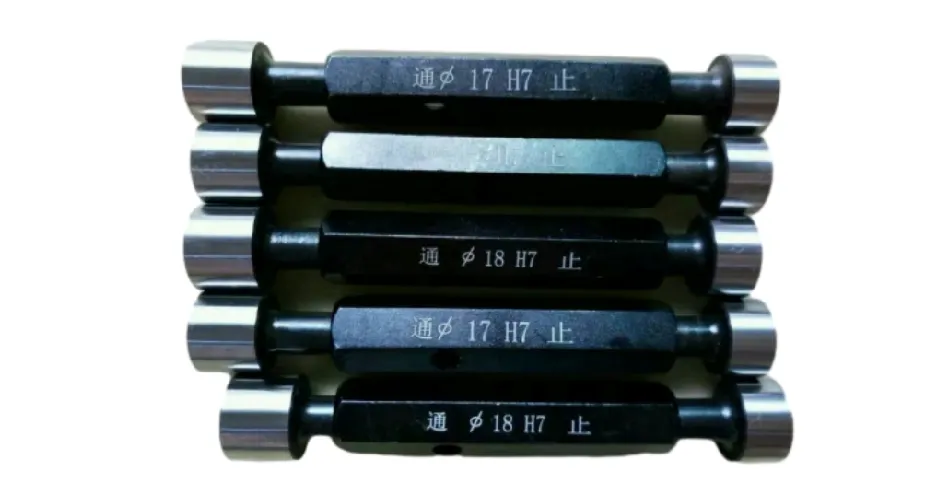
Understanding 6G and 6H Thread Gauges Precision in Engineering In the world of engineering and manufacturing, thread gauges play a crucial role in ensuring the accuracy and functional integrity of threaded components. Among the various classifications of thread gauges, the 6G and 6H designations are particularly important, especially in applications involving tight tolerances and high-performance requirements. Understanding the differences between these two types of gauges is essential for engineers, manufacturers, and quality control specialists. What are Thread Gauges? Thread gauges are tools used to measure the size and pitch of threads on screws, bolts, and other fasteners. They come in various specifications to accommodate different types of threads, including Unified, Metric, and Whitworth threads. The accuracy of these gauges is critical, as even slight deviations can lead to assembly issues, product failures, or safety hazards. Introducing 6G and 6H Thread Gauges The distinction between 6G and 6H gauges mainly revolves around the tolerance classes they represent. In general, the “G” and “H” designation stands for General and Holding, respectively. 6g 6h thread gauges 1. 6G Thread Gauges The 6G tolerance class is often used for external threads, such as those found on bolts and studs. This class provides a medium level of tolerance, which allows for easy assembly while ensuring sufficient strength and reliability of the fastened joint. The 6G specification is characterized by a more significant allowance for variation, making it suitable for applications where parts may need to fit together while still accommodating some manufacturing error. 2. 6H Thread Gauges In contrast, the 6H class is designed for internal threads, such as those in nuts and tapped holes. The 6H tolerance is tighter than that of 6G, promoting a higher degree of precision. This class is particularly beneficial in applications where consistent performance is critical, and any slack in fit could lead to malfunction or decreased load-bearing capability. Applications and Importance Both 6G and 6H gauges are essential in industries ranging from aerospace to automotive manufacturing, where precision and reliability are paramount. The choice of gauge depends on the specific requirements of the application. Engineers often select 6G for general use, where some tolerance is acceptable, while 6H is favored in precision applications demanding greater control over dimensional accuracy. Conclusion In conclusion, the choice between 6G and 6H thread gauges can significantly impact the quality and performance of mechanical assemblies. Understanding their differences allows engineers to select the appropriate gauge for their specific application needs, ensuring both efficiency in production and reliability in the final product. In an era where precision engineering is more important than ever, mastering the subtleties of thread gauge specifications is essential for successful manufacturing practices.
-

High quality industrial productsagement

High quality industrial products
View Details -

Meet the diverse needs of customers

Meet the diverse needs of customers
View Details -

Strict quality control

Strict quality control
View Details -

Top raw materials

Top raw materials
View Details -

Trusted supplier

Trusted supplier
View Details
Our application
news and information
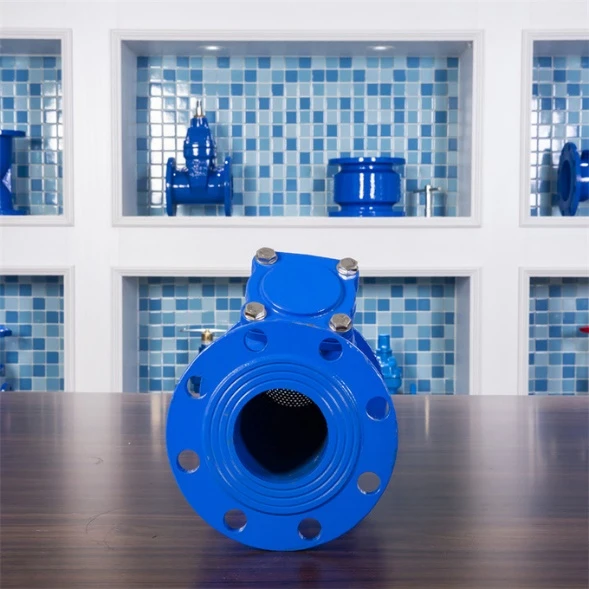
Wholesale Suppliers for High-Quality Ball Valves in Diverse Applications
The Wholesale Market for Ball Valves Trends and Insights In the industrial landscape, ball valves pl
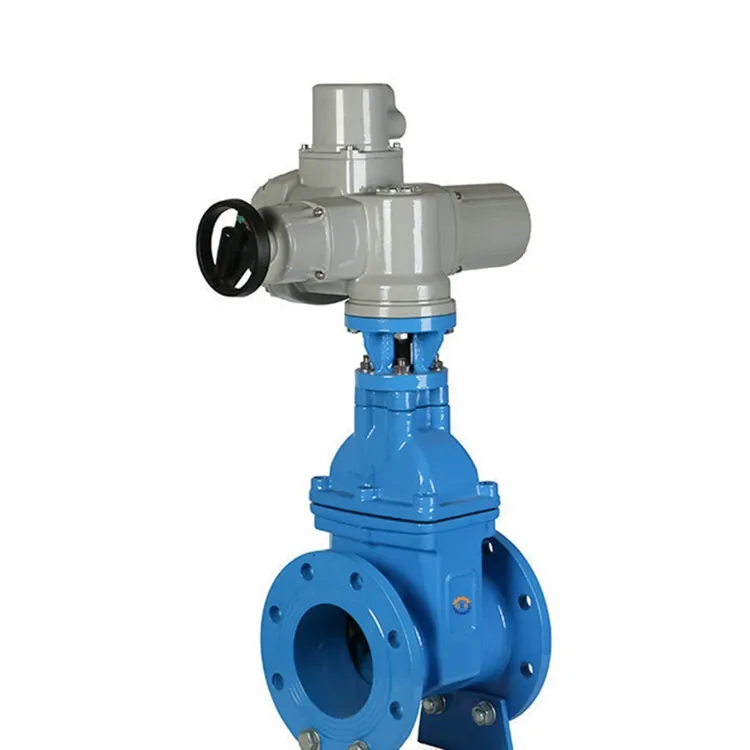
Versatile 3x6 Feet Welding Table for Efficient Metalworking and Fabrication Projects
The Versatility and Advantages of a 3x6 Welding Table Welding is a crucial process in various indust
vibration pad manufacturer
The Importance of Vibration Pads in Industrial Applications In today's fast-paced industrial environ
 English